
Below are details of funds and workshops which may help. To access some of these you will need to provide information about your income, outgoings, savings, or debt.
Heating controls are there to make sure you stay in control of your heating and what you pay.
It’s very tempting to turn up the dial to 27 degrees C when you start to use your heating system, but this will also trigger a massive energy bill. Correctly using a programmer, room thermostat and thermostatic radiator valve, could potential save you up to £75 a year (based on a typical 3 bed, semi-detached gas heated home in the UK). Ref: National Energy Foundation.
Here are a few tips on how to use heating controls effectively:
1.Room thermostat
This type of thermostat prevents your heating system from using more fuel then it needs to. It will turn the heating on, until the room reaches the temperature you have set, and then off until the temperature drops below your programmed temperature. This will also prevent your home getting warmer than necessary.
The thermostat should be set to the lowest comfortable temperature, typically between 18- 21 degrees C. You don’t need to turn your room thermostat up, when it is colder outside; the house will heat up to the set temperature whatever the weather, however it may take longer on colder days. Turning up your room thermostat won’t make your home heat any faster. Also bear in mind that room thermostats require a free flow of air, to sense the temperature, so they should not be blocked by curtains, furniture, or put near to a heat source.
If you turn down your room thermostat by just 1 degree C, you could potentially save £75 per year without noticing any real temperature change.
2. Thermostatic Radiator Valves
These allow you to control the temperature of your individual radiators, allowing you to turn down the heat in rooms you are not using. They work by reducing the flow of water through the radiator, when the temperature goes above the selected setting. They should be set to the temperature level you want for the room; a lower setting uses less energy and you will save you money.
We do not recommend using radiator covers because TRV’s sense the air temperature around them and control the flow rate depending on what level they’re set. Hanging a cover over the radiator means the TRV is enclosed, which is likely to make it think that the room temperature is higher than it actually is.
3. Boiler thermostat
Your boiler will have a dial or a digital temperature setting. This sets the temperature of the water, that is pumped from the boiler, through the radiators, to heat your home. Turn it up during cold winter spells to make sure you don’t get cold. However, if you have any young children, or elderly people in your home, don’t turn the boiler thermostat too high, as it can make radiators very hot to the touch.
If you have a regular boiler, with a separate hot water cylinder, your boiler thermostat should always be set to a higher temperature that the cylinder thermostat, otherwise the hot water cylinder will never get up to temperature. If you have combination boiler you will probably have two dials – the one with the radiator symbol controls the output to the heating, and you can set this without affecting the hot water temperature.
4. Programmer or time control
Once you have set it based on your regular daily routine, it will automatically switch your heating off, when you’re not at home, or when you don’t need the heating on. Programmers will allow you to set ‘on’ and ‘off’ time periods. Most models will let you set the central heating, and domestic hot water, to go on and off at different times. There will also be a manual override facility to override any set times.
5. Setting your time control
You should ideally set the central heating programme to come on around half an hour before you get up and go off half an hour before you go to bed. If your house is empty during the day, or you can manage without heating during the day, make sure that you set your programmer to go off for this period too. Check that the clock on the programmer is correct before you set your programmes. You may also need to adjust the time when the clocks change for the start of BST and GMT.
6. Boiler service
Saffron Housing will service your boiler every 12 months, as well as carry out the annual Landlords Safety Report. It is important that access is provided to carry out these checks, for your safety, and to ensure the efficiency of your boiler.
7. Storage heaters
A standard electric storage heater will have two controls, an output control and an input control. The output will control how much heat is given out (if there is sufficient stored heat available). The input control determines how much electricity will take from the supply during the coming night, and hence how much stored heat will be available the following day. You will need to set the output dial to how much heat you want now, and the input dial according to how much heat you think you will need tomorrow. If a heater runs out of heat in the evening while you still need heat, or if the weather gets colder, you may need to turn the input dial up. If the weather gets warmer, or the heater never runs out of heat in the evening, you can probably save money, without getting cold, by turning the input dial down.
8. Electric water heating
Your hot water will be stored in a cylinder, and the thermostat prevents it becoming hotter than necessary. Once the water has reached the temperature you have set, the electric immersion heater will switch off. A separate hot water time switch will let you heat the right amount of water at the right time and take advantage of off-peak Economy 7/10 tariffs. Set your water to heat up only when you need it, as this will save money. Most electric hot water cylinders will be fitted with two immersion heaters, a second immersion heater fitted at the top of the cylinder, activated by a boost switch. Use this second immersion heater by using the boost function to heat a small amount of water if required, but this will be at expensive peak times during the day.
9. Oil heating
Oil boilers will have similar controls as described above, the only difference is the fuel used. Savings can sometimes be made by forming a local oil heating group to bulk buy your heating oil.
10.Hot water thermostats
If your hot water is stored in a cylinder, the thermostat will prevent it becoming hotter than it needs to. Once the water has reached the temperature you have set, the heat supply from the boiler will be turned off. Turning the thermostat higher will not make the water heat up any faster, and the water heating will not come on if a time switch or programmer has switched off. Cylinder thermostats are usually fitted between one quarter, and one third of the way up the cylinder. They have temperature scales marked; you should set them at between 55- 60 degrees C. This is hot enough to kill any harmful bacteria but should not be hot enough to scold. If you have a combination boiler, the hot water temperature will be set by a dial on the front panel of the appliance.
11. Weather compensation controls
Some modern boilers have these now fitted as standard. When the weather is cold you need your boiler stat to be set to a high level to make sure your house can get warm enough. If the weather is milder you could turn the boiler stat down and still be warm enough. This will make the system more efficient, and you should save money. A weather compensator does this for you automatically by measuring the outside temperature and adjusting the boiler thermostat temperature as required, to maintain the selected temperature.
12. Air Source Heat Pumps
Air source heat pumps (ASHP) absorb heat from the outside air. This heat can then be used to heat radiators, and hot water in your home. Unlike gas and oil boilers, heat pumps deliver heat at a lower temperature over much longer periods. During winter they may need to be on constantly to heat your home effectively. You will also notice that radiators won’t feel as hot to the touch as they might do if you are using a gas or oil boiler.
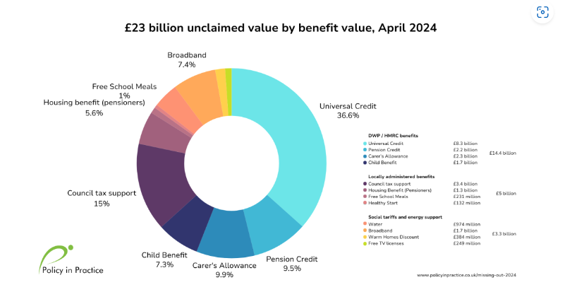
The Client Hardship Service combines the Norfolk Assistance Scheme and Money Support Service.
It is available to provide support and financial assistance to those facing hardship during the Cost of Living crisis.
You can find out more about whether you are eligible to apply by clicking here.

For tenants living in Suffolk, help and support is available via the Suffolk Assistance Scheme. This includes the Local Welfare Assistance Scheme which can help with household furniture and white goods, fuel vouchers (electricity and gas top-ups), supermarket vouchers, and contributions towards increasing costs during the winter months. For more information click here.


The Household Support Fund (HSF) is funding provided by the Government. It provides support to vulnerable people who are struggling with the cost of living and everyday costs. This funding runs from 1 April 2025 to 31 March 2026.
For more information for those who live in Norfolk, please visit the Norfolk County Council website, here: Household Support Fund - Norfolk County Council
And if you're a Suffolk resident, please go to Suffolk County Council's website: Household Support Fund - Suffolk County Council
Your Own Place is a social enterprise that is currently running financial support and Cost of Living drop-in sessions out of local foodbanks.
These workshops are free for anyone to attend. The Your Own Place team are offering a range of support at the sessions including workshops, one to ones and shorter 'financial conversations' to help local people build on their financial skills.
Keep an eye on our Latest news section for the most recent dates and locations.
To find out more about Your Own Place, visit their website by clicking here.

Smart meters
When you are on a tight budget it can be a struggle to make ends meet, even when you are doing everything you can to save money. A smart meter could make things easier.
To find information about how a smart meter could help you manage your energy bills click here.
You can also view energy efficiency advice by clicking here.
ThinkingFuel is Community Action Norfolk’s community oil buying scheme. Members order fuel together – saving time and money. It is free to register to be part of the scheme. You can order oil on any working day of the month and still get a competitive price. To find out more click here.
If you are struggling, we might be able to help in another way. Please contact your Neighbourhood Officer or Wellbeing Co-ordinator, or if you have any concerns about paying your rent please contact your Income Officer by emailing [email protected] or calling 01508 532000.